The Philosophy of Luck in Gaming
Luck is a multifaceted concept often seen as a whimsical force that influences outcomes in various contexts, particularly in casino gaming. Philosophically, luck encapsulates the chance events that can significantly affect a player’s gambling journey, such as those found at betticasino , where the thrill of chance and skill collide. Gamblers frequently grapple with the dichotomy of skill versus luck, questioning whether their wins or losses are products of fate or strategic decisions. This philosophical exploration can enrich one’s understanding of gambling as an unpredictable, yet exhilarating pursuit that intertwines chance with human experience.
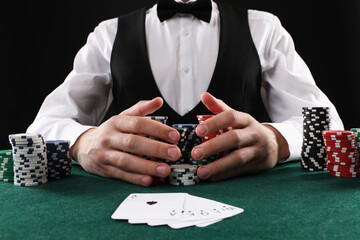
Within the casino environment, luck is both exalted and criticized. Players often attribute their fortunate outcomes to luck, while their losses are dismissed as mere bad luck. This duality illustrates a key aspect of gaming psychology; luck transcends being a mere concept and becomes an emotional experience that can enhance or detract from a player’s enjoyment. For instance, a player who rolls a winning number in a game can experience euphoria, while a losing roll can lead to frustration. This emotional resonance with luck makes the gaming experience profoundly unique and personal.
Furthermore, luck is sometimes framed within the realm of probability and statistics. Games like roulette engage players with odds that determine the likelihood of winning based purely on chance. This intersection of luck and mathematical principles invites an intriguing analysis of how different gaming scenarios can produce predictable patterns. While players yearn for the fortunate outcomes often associated with luck, grasping the underlying statistical frameworks reveals the inherent unpredictability that defines casino gaming.
The Measurement of Luck through Odds
While luck may seem like an abstract notion, its quantification often manifests through odds and probabilities established for each casino game. Each game comes with a predetermined probability of winning that is calculated based on the game’s mechanics. For example, slot machines operate on specific payout ratios and return-to-player (RTP) percentages that dictate how frequently players can expect to win over time. This mathematical foundation allows players to better understand the role luck plays in their overall gaming experience, transforming luck from a nebulous idea into a more tangible concept.
Grasping these odds can significantly enhance a player’s strategic approach to gaming. Consider a player at a blackjack table; they can utilize specific strategies to increase their chances of winning based on the dealer’s upcard. This interplay between skill and luck highlights a rich debate within gambling communities. While skillful play can certainly improve outcomes, the element of luck remains a formidable force, especially when facing unpredictable events, like the next card dealt. This relationship fosters a deeper conversation about the balance between skill and luck in the complex world of gambling.
Moreover, quantifying luck through odds highlights that certain games offer better winning opportunities than others. In poker, for instance, players navigate a blend of skill and luck, making calculated decisions based on the limited information available. The ability to read opponents adds a skill-based layer to the game, yet the luck of the draw can dramatically alter the outcome. This dynamic illustrates that while luck can be partially quantified through odds, it remains largely elusive, adding to the intrigue of casino gaming.
Is Luck an Illusion? Psychological Perspectives
The perception of luck is heavily influenced by various psychological factors, including cognitive biases and emotional responses. For instance, the illusion of control can lead players to believe they possess more influence over outcomes than reality dictates. A player might think that wearing a specific lucky charm or performing a ritual will enhance their chances of winning, despite the odds remaining unchanged. This psychological effect reveals how subjective interpretations of luck can significantly shape the gaming experience.
Additionally, the concept of lucky streaks complicates players’ understanding of luck. When individuals experience a series of wins, they may feel invincible, attributing their success to a newfound source of luck. Conversely, a string of losses can foster negative thinking, creating the belief that luck has deserted them. This emotional rollercoaster underscores the importance of recognizing luck as a fluid entity rather than a fixed trait, reminding players that their fortunes can shift with the next wager.
Research in behavioral economics indicates that individuals often remember wins more vividly than losses, leading to a distorted perception of their overall luck. This phenomenon, known as the “winners curse,” can compel players to chase this elusive luck, prompting them to return to the casino despite incurring losses. By examining the psychological dimensions of luck, players can develop a healthier and more balanced approach to their gambling experiences, allowing for a more sustainable engagement with the gaming world.
The Role of Algorithms and Random Number Generators
In contemporary casinos, the influence of technology is paramount. Many games are governed by algorithms and random number generators (RNGs) that create an illusion of luck while ensuring fairness in outcomes. RNGs operate behind the scenes to generate unpredictable results, making it impossible for players to manipulate luck through strategic play. This technological advancement has transformed traditional gaming experiences into intricate systems where luck is dictated by precise mathematical processes.
For instance, in online slots, RNGs ensure that the sequence of symbols appearing on the reels is entirely random. While players may celebrate winning spins, the outcomes are fundamentally rooted in complex algorithms that prioritize randomness over skill. This creates an interesting dilemma—though players may perceive their luck has improved upon hitting a jackpot, it is actually the randomness of the system, combined with established game odds, that determines the outcome.
Furthermore, grasping the operation of RNGs can deepen players’ appreciation for the role of luck in gaming. Understanding how these systems function allows players to engage more thoughtfully with games, often choosing options based on their RTP percentages and hit frequencies. This knowledge does not diminish the excitement of gaming; rather, it enhances the experience by equipping players to navigate the world of chance-based entertainment more effectively.
Exploring the Impact of Websites on Gambling Experiences
The emergence of online casinos has revolutionized gambling, transforming perceptions of luck and reshaping the entire gaming experience. These platforms provide a plethora of gaming options, from classic table games to innovative video slots, each meticulously designed with specific odds and RNGs in mind. Players now have the freedom to explore a multitude of games from the comfort of their homes, allowing them to engage with luck in new and exhilarating ways.
Additionally, the rise of online platforms has fostered a sense of community and interaction among players. Many online casinos offer live dealer games, enabling participants to engage with one another, thereby enhancing the social dimension of gambling. Such interactions can amplify feelings of luck as players share their experiences, strategies, and even superstitions, creating a communal narrative around winning and losing. This shift has redefined the perception of luck, blending technology and social dynamics into the gaming experience.
As these websites continue evolving, they provide players with greater transparency regarding odds and payout structures, empowering them to make informed choices. By understanding the nuances of different games, players can develop strategies that align with their personal perceptions of luck, paving the way for more engaged and thoughtful gambling experiences. Ultimately, exploring the concept of luck through online platforms offers a fresh perspective on how chance shapes the landscape of casino gaming.